
Field notes / 2 minute read
From the Paper Kid Games studio
What goes into a game built for one kid
Ziggy Games is full of details only his family would notice. Here is how we find those details, and how we keep them safe.
The first thing people notice in the Ziggy Games arcade is the pug. Pam, the family's black pug, is asleep on a dog bed next to the machines. Then they notice the Buffalo pennant, the high-score board with his favorite player's initials at the top and a red step stool so a kid can reach the controls.
None of that's decoration for its own sake. Every one of those details came from a conversation about one kid, and they're why the arcade feels like his.
Where the details come from
It starts with the obvious questions: what sport they play, what number they wear, what color their team is. Then it gets more interesting. Who is the family pet? Which team do they root for? What does the kid draw? What game are they playing on the iPad right now, and what do they wish it did differently?
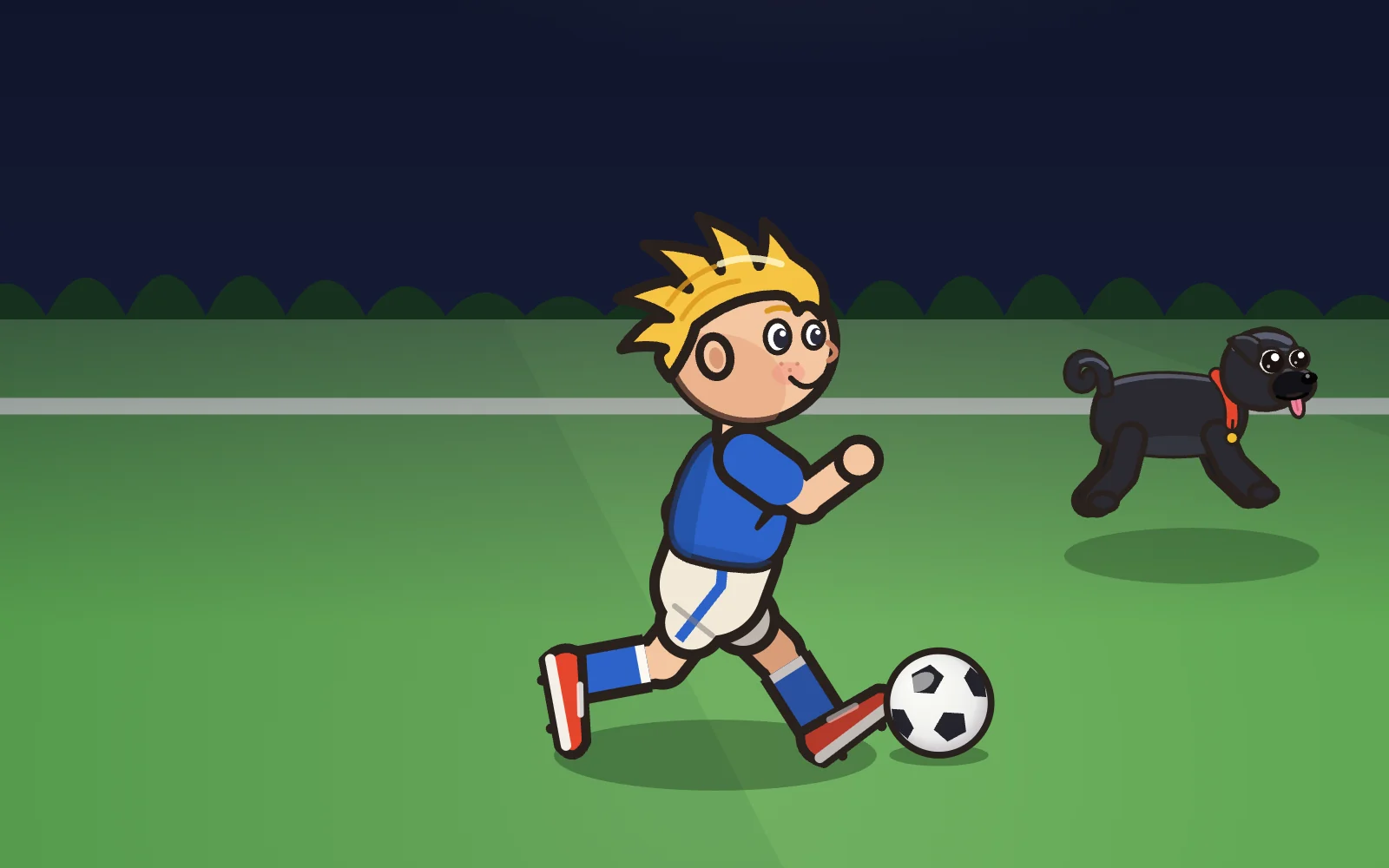
In Ziggy Games that turned into Pam on the sideline in Soccer Kids and across the ball from him in the Sports Arena, a secret that makes lake-effect snow fall inside the arcade, and Ziggy himself in the Blue uniform with a lightning bolt where his number would be.
The kid gets a vote
Kids are honest testers. They tell you what they love and what they want more of, and the next version builds it in. We put the kid in that loop on every custom project, because the details they care about are rarely the ones a grown-up would guess.
Keeping it safe
Everything in the game is drawn. We use photos only to get the hair, the glasses or the cleats right, and they never appear in the game. Real places appear only if you want them, built from public map data, and they're named only if you say so. Kids never make an account or type in an email.